

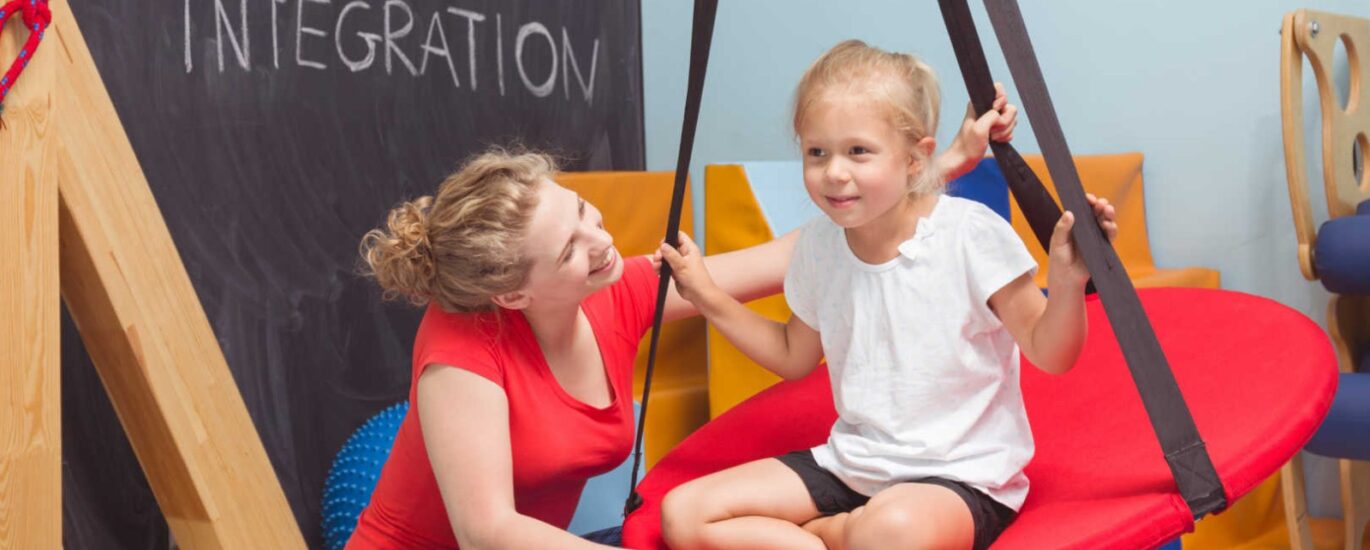
What Is Sensory Integration?
Sensory Integration is the brain’s ability to receive, organize, and respond appropriately to information coming from the body and the surrounding environment. Every moment, our senses are collecting information—what we see, hear, touch, smell, taste, and how our body moves or feels in space. The brain’s job is to put all this information together so we can act calmly and effectively.
For example, when a child hears a bell, sees classmates lining up, and feels the floor beneath their feet, the brain combines all these sensory inputs. This helps the child understand what is happening and respond appropriately by lining up calmly. For most individuals, this process happens automatically without conscious effort.
However, when sensory integration does not function efficiently, a child may struggle to understand or respond to sensory information. This can affect learning, behavior, emotional regulation, and daily activities.
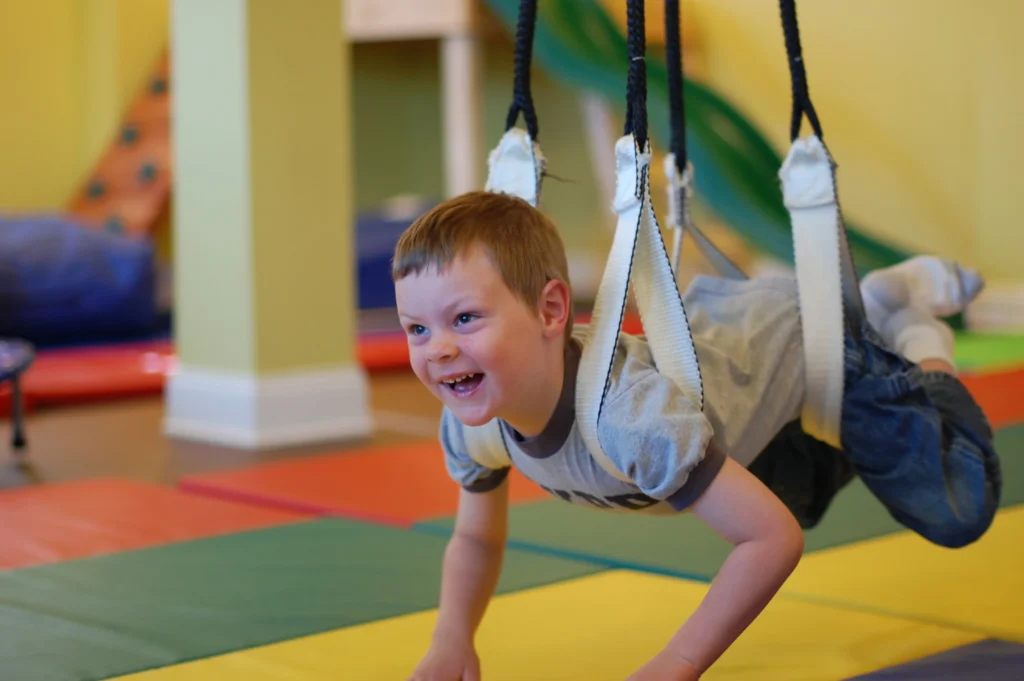
Why Is Sensory Integration Important?
Good sensory integration is essential for everyday functioning. It plays a vital role in how individuals learn, behave, and interact with the world around them.
Strong sensory integration supports:
- Learning and concentration
Children are better able to focus, follow instructions, and engage in academic activities. - Emotional regulation
It helps children remain calm, manage emotions, and respond appropriately to changes in their environment. - Motor skills and coordination
Proper sensory processing allows smooth, controlled body movements, balance, and coordination. - Social interaction
Children can engage comfortably with peers, understand social cues, and participate in group activities. - Daily activities
Essential tasks like eating, dressing, playing, and personal care become easier and more manageable.
When sensory integration is strong, individuals feel more comfortable in their environment, focus better, and respond calmly to everyday challenges.
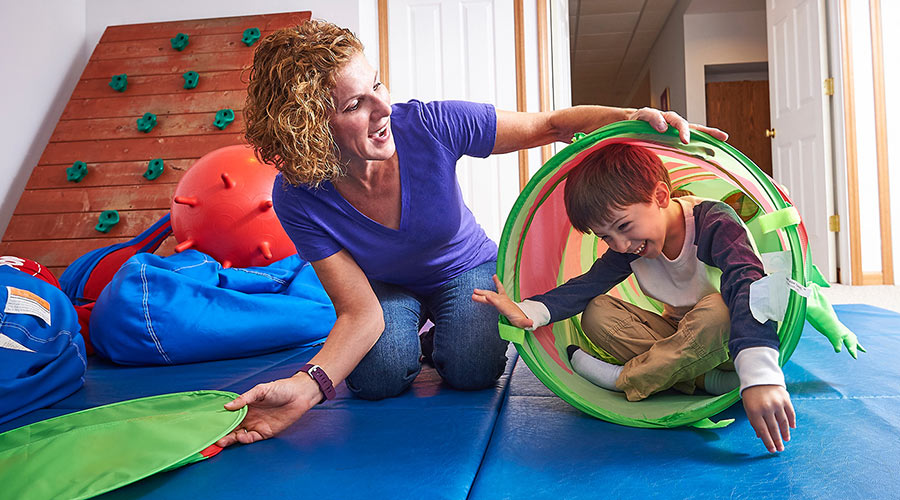
Sensory Integration Difficulties (Sensory Processing Difficulties – SPD)
Some individuals experience Sensory Processing Difficulties (SPD), where the brain struggles to organize and interpret sensory input effectively. These difficulties can appear differently in each person.
Types of Sensory Integration Difficulties
1. Sensory Over-Responsivity (Hypersensitive)
Individuals may feel overwhelmed by sensory input such as:
- Loud sounds
- Bright lights
- Certain textures or clothing
They may react strongly, avoid certain environments, or become anxious or distressed easily.
2. Sensory Under-Responsivity (Hyposensitive)
Individuals may not notice sensory input easily and may:
- Seem unaware of surroundings
- Require stronger sensory input
- Seek extra movement or touch
3. Sensory Seeking
Individuals actively look for intense sensory experiences, such as:
- Spinning
- Jumping
- Touching everything around them
These behaviors are often a way to meet their sensory needs.
Sensory integration difficulties are commonly seen in children with Autism Spectrum Disorder (ASD), ADHD, learning challenges, and developmental delays, but they can also occur in adults.
What Is Sensory Integration Therapy?
Sensory Integration Therapy is usually provided by trained Occupational Therapists. The therapy uses structured, fun, and play-based activities to help the brain process sensory information more effectively.
The goal is not just sensory stimulation but helping the brain organize and respond appropriately to sensory input, improving daily functioning.
Activities in Sensory Integration Therapy May Include:
- Swinging or balancing activities
Helps with body awareness, balance, and coordination. - Playing with textured materials
Supports tactile processing and sensory tolerance. - Deep pressure activities
Helps calm the nervous system and improve emotional regulation. - Movement-based games
Strengthens motor planning, coordination, and attention.
Through these activities, children gradually learn to respond to sensory information in a more organized and functional way.
Goals of Sensory Integration Therapy
The primary goals of Sensory Integration Therapy include improving:
- Daily functioning
- Attention and focus
- Behavior regulation
- Emotional control
With consistent and individualized therapy, children can experience better participation in school, home, and social environments.
Supporting Sensory Integration at Home and School
Supporting sensory integration does not end in the therapy room. Simple strategies at home and school can greatly enhance a child’s progress.
Effective Sensory Support Strategies Include:
- Creating calm, organized environments
Reduces sensory overload and promotes comfort. - Allowing movement breaks
Helps regulate energy levels and maintain focus. - Using sensory tools
Tools such as stress balls or soft cushions provide calming sensory input. - Maintaining predictable routines
Helps children feel safe and prepared for transitions. - Respecting individual sensory preferences
Every child’s sensory needs are unique and should be acknowledged.
When parents, teachers, and caregivers understand sensory integration, they can provide better support and help children succeed across environments.
Conclusion
Sensory integration plays a vital role in how we learn, behave, and interact with the world. When sensory processing works effectively, individuals can focus better, regulate emotions, and participate confidently in daily activities.
Understanding sensory integration helps parents, teachers, and caregivers support individuals who experience sensory challenges. With the right strategies, consistent therapy, and supportive environments, children with sensory integration difficulties can thrive and reach their full potential.
Sensory Integration Therapy, combined with home and school support, creates meaningful progress—helping children feel more comfortable, confident, and capable in their everyday lives.
Dr. Shanthi
Senior Occupational Therapist